Is AI Replacing Jobs or Creating New Opportunities?
Artificial Intelligence (AI) is transforming industries at an unprecedented pace. From automation in factories to AI-powered customer support, many people are asking an important question:
Is AI replacing jobs, or is it creating new opportunities?
The answer isn’t black and white. While AI automation is changing the job market, it is also creating entirely new career paths and industries.
In this guide, we’ll explore:
- How AI is impacting employment
- Which jobs are at risk
- New opportunities AI is creating
- How to prepare for the future of work

How AI Is Changing the Job Market?
AI systems are designed to:
- Automate repetitive tasks
- Analyze large amounts of data
- Improve efficiency
- Reduce human error
This makes businesses faster and more productive, but it also shifts how work is done.
Industries Already Using AI Automation
- Manufacturing
- Customer service
- Finance and banking
- Healthcare
- Retail and e-commerce
- Digital marketing
AI doesn’t eliminate entire industries; it changes the nature of roles within them. Learn What Is Artificial Intelligence? Simple Guide for Everyone.
Jobs Most Likely to Be Affected by AI
AI is most likely to replace tasks that are:
- Repetitive
- Predictable
- Rule-based
- Data-heavy
Examples of Roles Impacted by AI Automation
- Data entry clerks
- Telemarketing agents
- Basic accounting roles
- Assembly line workers
- Routine customer support
However, even in these industries, AI often replaces tasks, not entire professions.
Jobs That AI Is Creating
While automation reduces some roles, it also creates demand for new skills and professions.
Emerging AI-Driven Careers
- AI engineers
- Machine learning specialists
- Data scientists
- AI ethics consultants
- Automation specialists
- AI product managers
- Prompt engineers
Beyond technical roles, AI also increases demand for:
- Digital marketing experts
- Content strategists
- Cybersecurity professionals
- UX/UI designers
As AI tools grow, businesses need people who understand how to use them effectively.
AI Is Changing Skills, Not Just Jobs
The biggest shift isn’t job elimination – it’s skill transformation.
Skills Growing in Demand:
- Critical thinking
- Creativity
- Problem-solving
- Emotional intelligence
- Technical literacy
- AI tool management
AI struggles with:
- Complex human judgment
- Empathy
- Strategic thinking
- Ethical decision-making
These remain human strengths.
AI and the Future of Work
History shows that technological revolutions from the Industrial Revolution to the Internet initially caused fear but ultimately created more economic opportunities.
AI is following a similar pattern.
Short-Term Effects:
- Workforce disruption
- Need for reskilling
- Industry adaptation
Long-Term Effects:
- New industries
- Higher productivity
- Increased innovation
- Hybrid human-AI collaboration
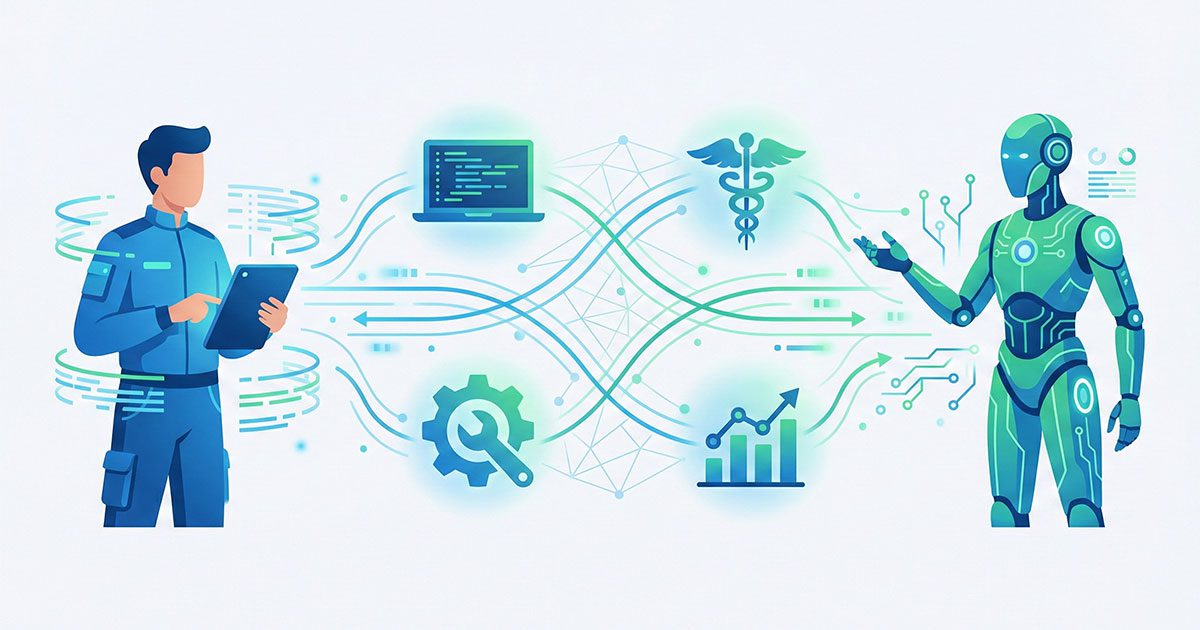
The future is likely not “AI vs humans” but AI working alongside humans.
Will AI Replace All Jobs?
No. AI cannot replace all jobs.
While AI excels at pattern recognition and data analysis, it lacks:
- Human intuition
- Emotional understanding
- Complex creativity
- Real-world adaptability
Professions such as healthcare providers, teachers, leaders, creative professionals, and skilled trades are far less likely to be fully automated.
How to Prepare for an AI-Driven Job Market
If you’re concerned about AI replacing jobs, here’s what you can do:
1. Learn Basic AI Concepts
Understanding how artificial intelligence works gives you an advantage.
2. Develop Complementary Skills
Combine domain expertise with AI literacy.
3. Embrace Automation Tools
Instead of competing with AI, learn how to use AI tools effectively.
4. Focus on Human-Centered Skills
Communication, leadership, and creativity remain valuable.
AI Replacing Jobs vs Creating Opportunities: The Reality
The question isn’t whether AI will replace jobs, it already is replacing certain tasks.
The real question is:
Will humans adapt and evolve with technology?
AI is not just eliminating roles it is reshaping industries and creating new career paths that did not exist five years ago.
Those who adapt will likely benefit from increased productivity and new opportunities.
Recommended Posts: How AI Works Behind the Scenes – https://webtirety.com/dispatch/how-ai-works-behind-the-scenes/| Everyday AI: How You Already Use AI – https://webtirety.com/dispatch/everyday-ai-in-daily-life/ | AI vs Machine Learning vs Deep Learning – https://webtirety.com/dispatch/ai-vs-machine-learning-vs-deep-learning-difference/
Frequently Asked Questions
AI is replacing some repetitive and rule-based tasks, but it is also creating new job opportunities in technology, data analysis, and AI management.
Final Thoughts
Artificial Intelligence is transforming the workforce, but transformation does not mean destruction.
AI is replacing repetitive tasks, not human potential.
The future of work belongs to those who:
- Learn continuously
- Adapt to new tools
- Develop both technical and human skills
Rather than asking if AI will replace jobs, a better question might be:
How can we work with AI to unlock new opportunities?


I’m Manas Ranjan Sahoo: Developer/Founder of “Webtirety Software”. I’m a Full-time Software Professional and committed to expanding Webtirety Software into a thriving platform that empowers businesses and individuals alike. I love to Write Blogs on Software, Technology, eCommerce, SEO, and Digital Marketing.