Everyday AI: How You Already Use AI Without Realizing It
Everyday AI: How You Already Use AI Without Realizing It
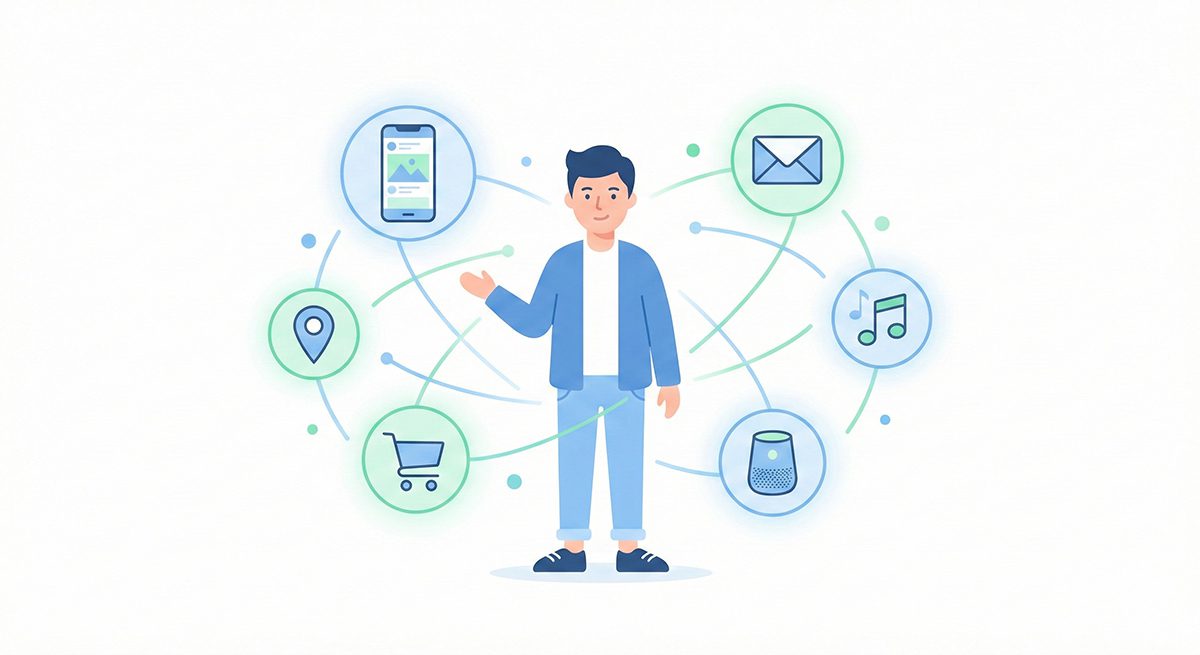
Artificial Intelligence (AI) is often associated with robots, self-driving cars, or futuristic technology. But the truth is, you already use AI every single day, often without even noticing it.
From unlocking your phone to watching videos online, AI quietly works in the background to make your digital life easier, faster, and more personalized.
In this article, we’ll explore real-life examples of AI in everyday life, explained in simple terms that anyone can understand.
What Is Everyday AI?
Everyday AI refers to artificial intelligence systems that operate in common apps, devices, and services you use daily.
These AI systems:
- Learn from your behavior
- Analyze patterns in data
- Make predictions or recommendations
- Improve over time automatically
Most of the time, this happens without any visible AI interface.
AI in Smartphones: Your Pocket Assistant
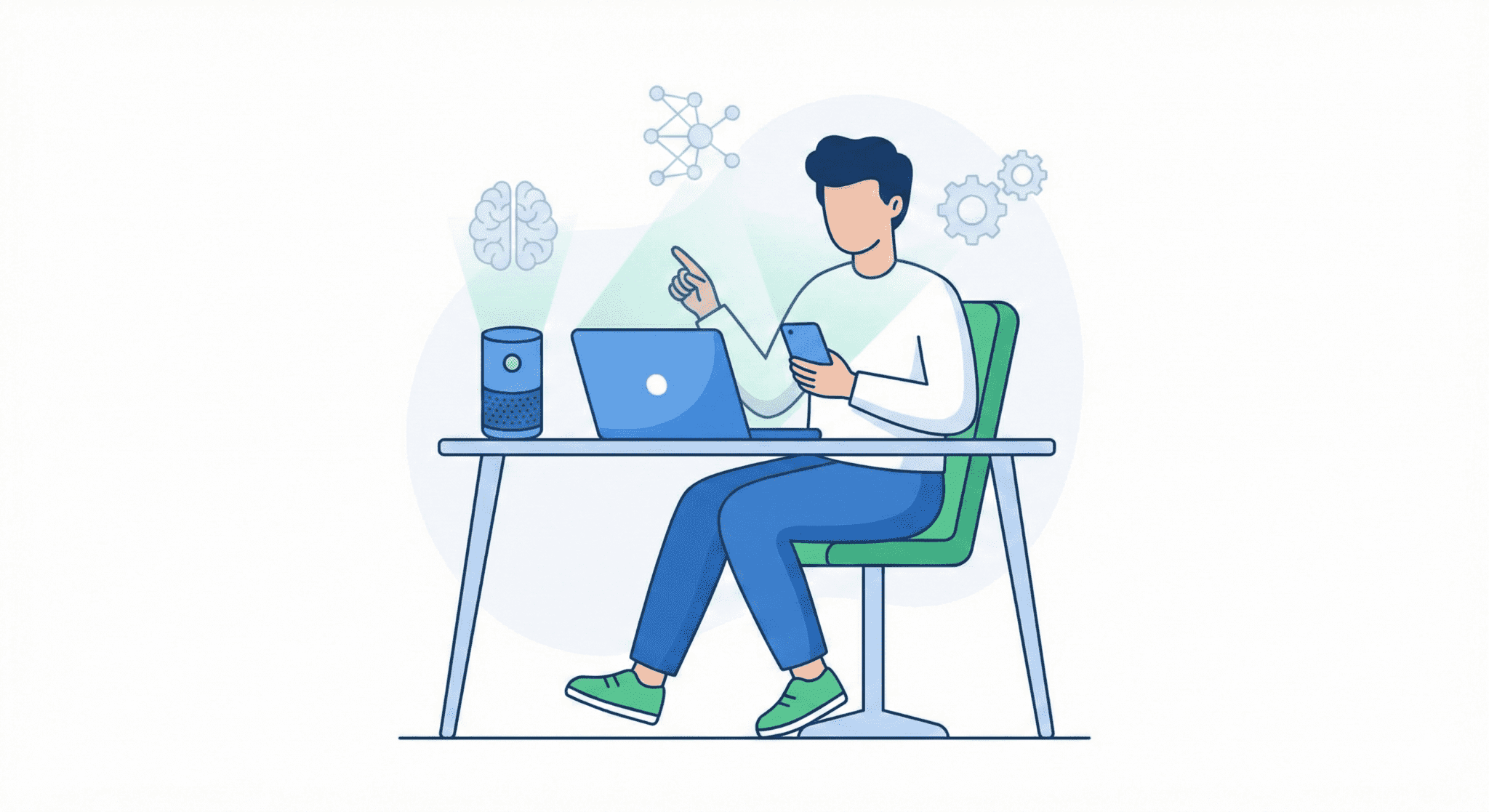
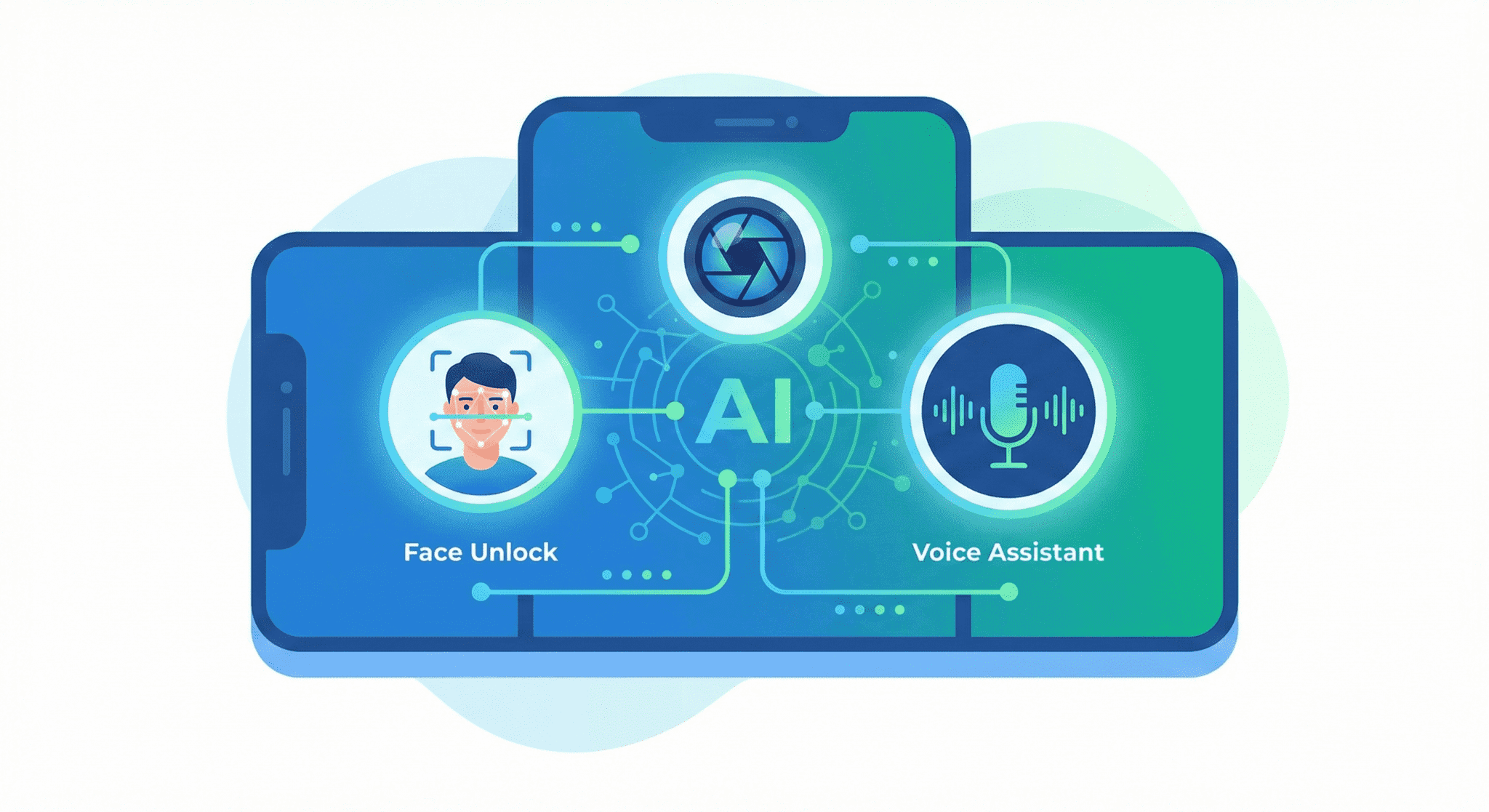
Your smartphone is one of the biggest users of AI.
📱 Face Unlock and Fingerprint Recognition
AI analyzes facial features or fingerprint patterns to verify your identity using machine learning and neural networks.
📱 Camera Enhancements
AI improves photo quality by:
- Detecting faces
- Adjusting lighting
- Removing blur
- Enhancing colors
AI in Social Media and Content Feeds
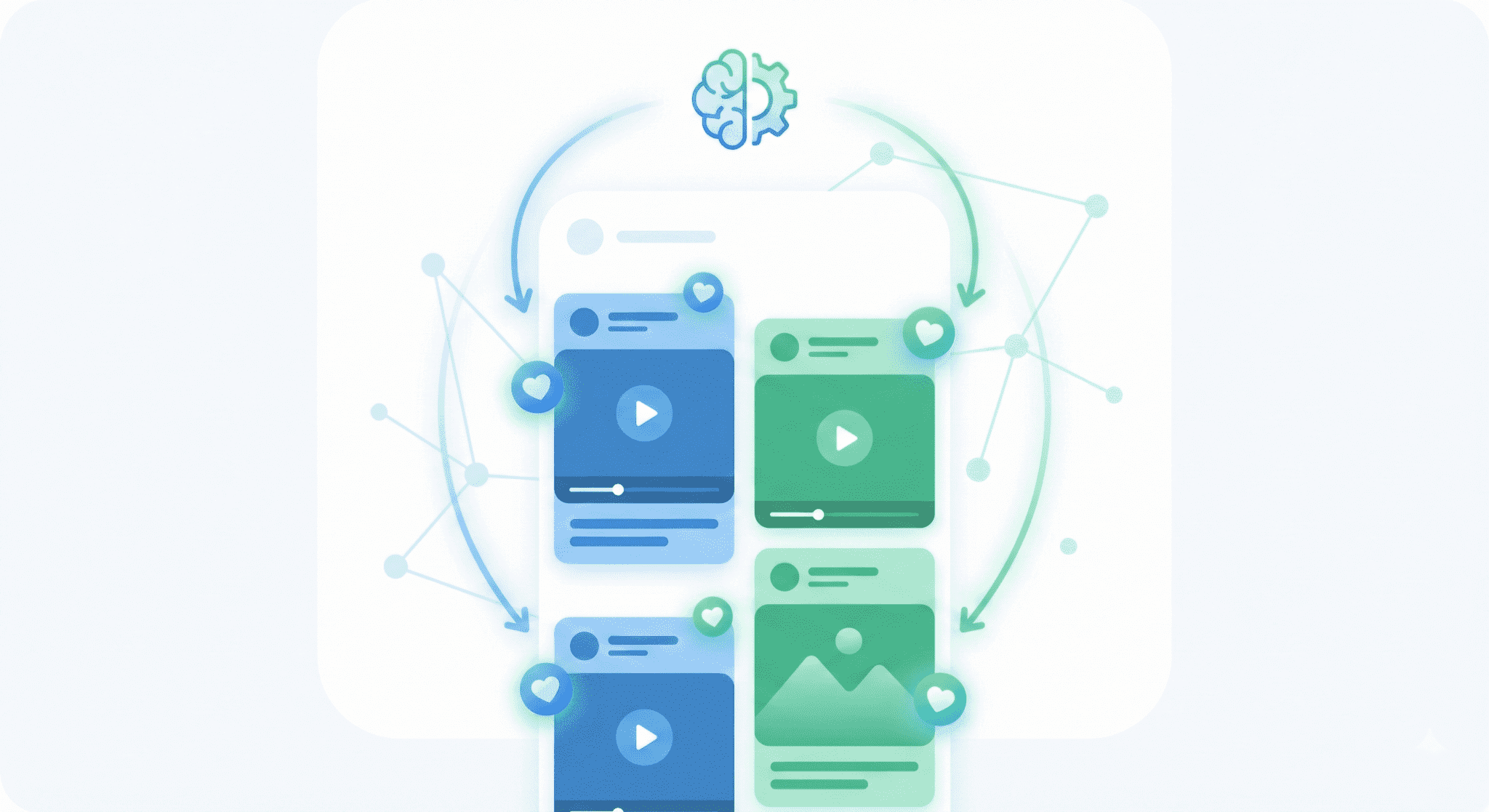
Ever wondered why Instagram, Facebook, or YouTube show you exactly what you like?
📲 Personalized Feeds
AI studies:
- Posts you like or skip
- Videos you watch longer
- Accounts you follow
It then predicts what content you’ll enjoy next using recommendation algorithms.
AI in Search Engines (Google, Bing, etc.)
Search engines rely heavily on AI.
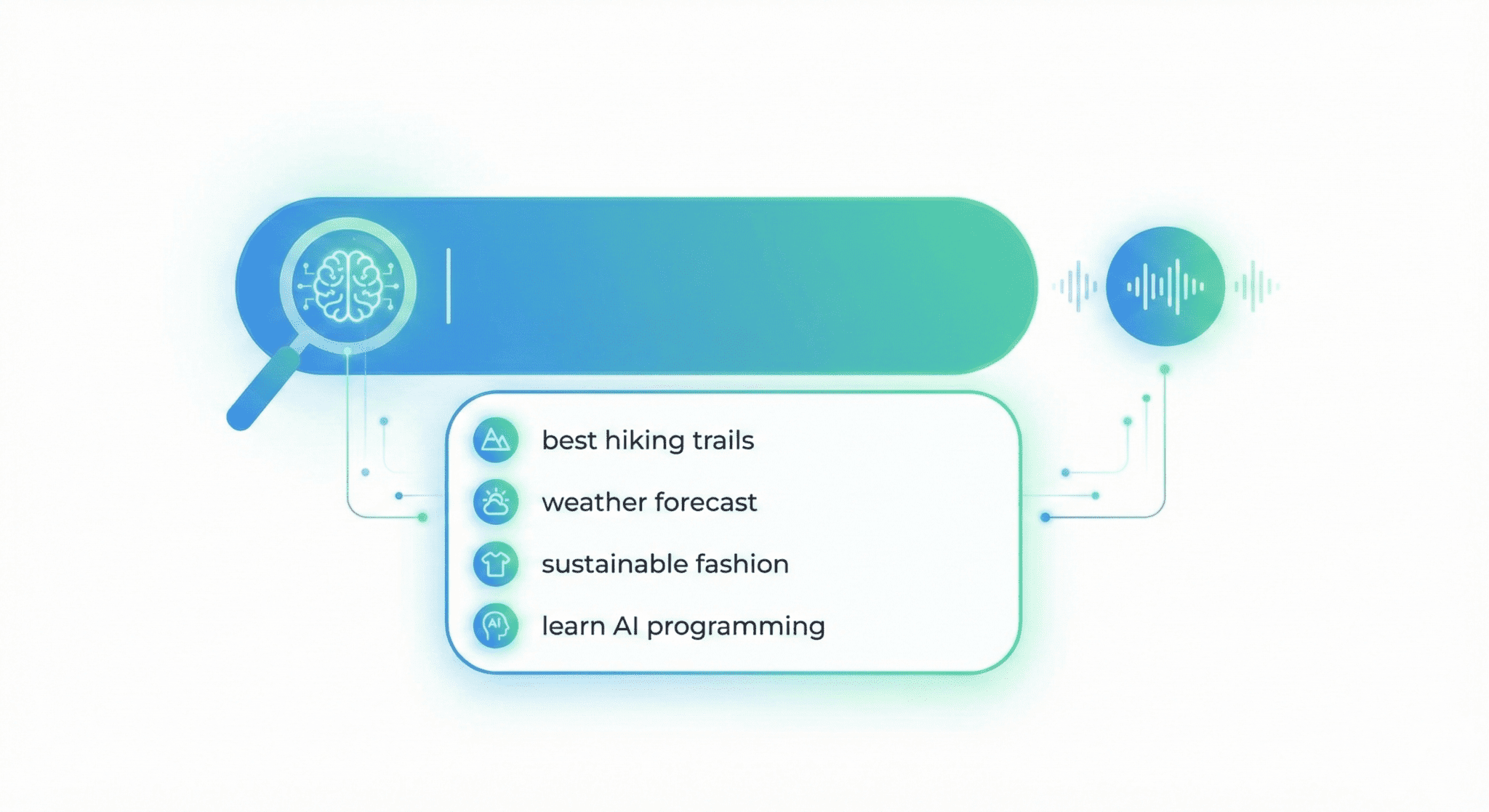
🔍 Search Suggestions and Autocomplete
AI predicts what you’re typing based on:
- Popular searches
- Your past behavior
- Location and language
🔍 Voice Search
When you speak to Google Assistant, AI uses natural language processing (NLP) to understand and respond.
AI in Email and Messaging Apps
📧 Spam Filters
AI learns which emails are spam by analyzing:
- Sender behavior
- Content patterns
- User feedback
✍ Smart Replies
Suggested replies in Gmail or WhatsApp are generated using language models trained on billions of conversations.
AI in Streaming Platforms (Netflix, Spotify, YouTube)
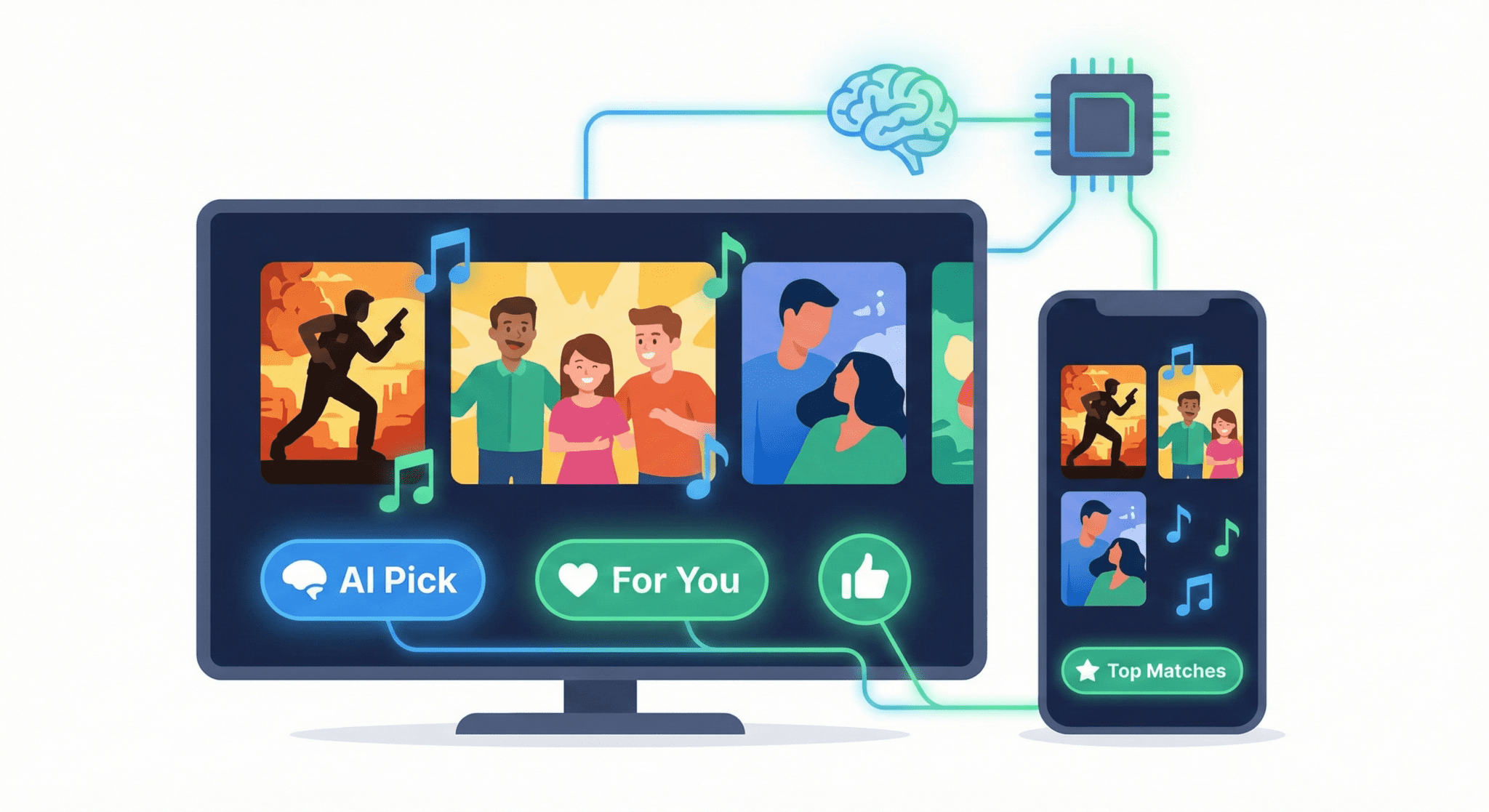
AI helps decide:
- What you should watch next
- Which songs match your mood
- When to recommend new content
🎬 Recommendation Systems
These systems analyze:
- Watch history
- Likes and skips
- Similar user behavior
This is why two people see different recommendations.
AI in Online Shopping and E-Commerce
🛒 Product Recommendations
Amazon and other platforms use AI to suggest products based on:
- Browsing history
- Purchase behavior
- Similar customer patterns
💳 Fraud Detection
AI monitors transactions in real time to detect unusual activity and prevent fraud.
AI in Navigation and Travel Apps
🗺 Google Maps and Uber
AI helps by:
- Predicting traffic
- Suggesting faster routes
- Estimating arrival times
These systems constantly learn from live data.
AI in Customer Support and Chatbots
Chatbots on websites use AI to:
- Answer common questions
- Route issues correctly
- Improve responses over time
They use machine learning and NLP to understand user intent.
AI in Smart Home Devices
🏠 Smart Assistants
Devices like Alexa or Google Home use AI to:
- Understand voice commands
- Control smart devices
- Learn user preferences
Why You Don’t Notice AI Working
AI stays invisible because:
- It runs in the background
- It focuses on automation
- It blends into everyday apps
Good AI feels natural, not robotic.
Is Everyday AI Safe?
AI systems are designed with safety in mind, but challenges include:
- Data privacy
- Bias in algorithms
- Over-automation
Understanding how AI works helps users use technology responsibly.
AI in Daily Life: Explained Simply
If an app learns from your behavior and improves automatically, it’s probably using AI.
🙋♂️Frequently Asked Questions
AI is used in smartphones, search engines, social media, email filtering, online shopping, navigation apps, and streaming platforms to personalize experiences and automate tasks.
Final Thoughts
Artificial Intelligence isn’t something from the future – it’s already part of your daily routine.
Once you recognize where AI is working, you’ll better understand:
- How technology adapts to you
- Why personalization exists
- How digital tools keep improving
AI doesn’t replace humans in daily life – it assists, simplifies, and enhances everyday experiences.
Suggested Readings
- What Is Artificial Intelligence? A Simple Guide for Everyone
- How AI Works Behind the Scenes (Explained Like You’re 15)
- AI vs Machine Learning vs Deep Learning: What’s the Difference?


I’m Manas Ranjan Sahoo: Developer/Founder of “Webtirety Software”. I’m a Full-time Software Professional and committed to expanding Webtirety Software into a thriving platform that empowers businesses and individuals alike. I love to Write Blogs on Software, Technology, eCommerce, SEO, and Digital Marketing.